
How Can I Help?
You don’t have to be an expert to make a difference. Whether you’re an SDS family member, friend, caregiver, or ally, there are concrete ways you can help protect Self-Directed Supports right now. This is a marathon, not a sprint and every action matters.
Join Us on Our Socials
The Missouri Senate now decides what happens next for Self-Directed Supports
The Senate Appropriations Committee (the committee that sets the final budget) is shaping the state budget right now.
If you care about keeping families together and protecting caregiver stability, now is the time to speak up.
The House has acted — the budget now moves through the Senate.
Your voice matters more than ever before.
Take Action Now
The most important thing you can do right now is contact your Missouri Representative and Senator and tell them how cuts to Self-Directed Supports would impact your family.
Most legislators do not understand SDS – hearing directly from constituents is how that changes.
- Find your legislators instantly
- Call, email, or message them
- Log your action so it counts toward statewide advocacy
Already contacted them? Log it anyway – volume matters.
Become a Member
Membership helps us:
Show legislators how many families are impacted
Communicate quickly when action is needed
Build long-term advocacy power for SDS
Membership is about representation.
We respect your privacy. Membership information is never shared publicly.
Share the Message
Many people, including lawmakers and media, don’t understand what SDS is or why it matters.
Sharing clear, consistent messaging helps protect the program for everyone.
Every call, email, post, and message helps.
Help Us Organize
Some people want to do more and we need you.
Let us know how you’re willing to help, and we’ll follow up when opportunities arise.
Examples of ways to help:
Making calls to legislators
Meeting with lawmakers
Helping coordinate local advocacy
Media outreach
This does not commit you to anything – it just helps us organize effectively.
Where Are We in the Process?
Click on the images below for a larger version.
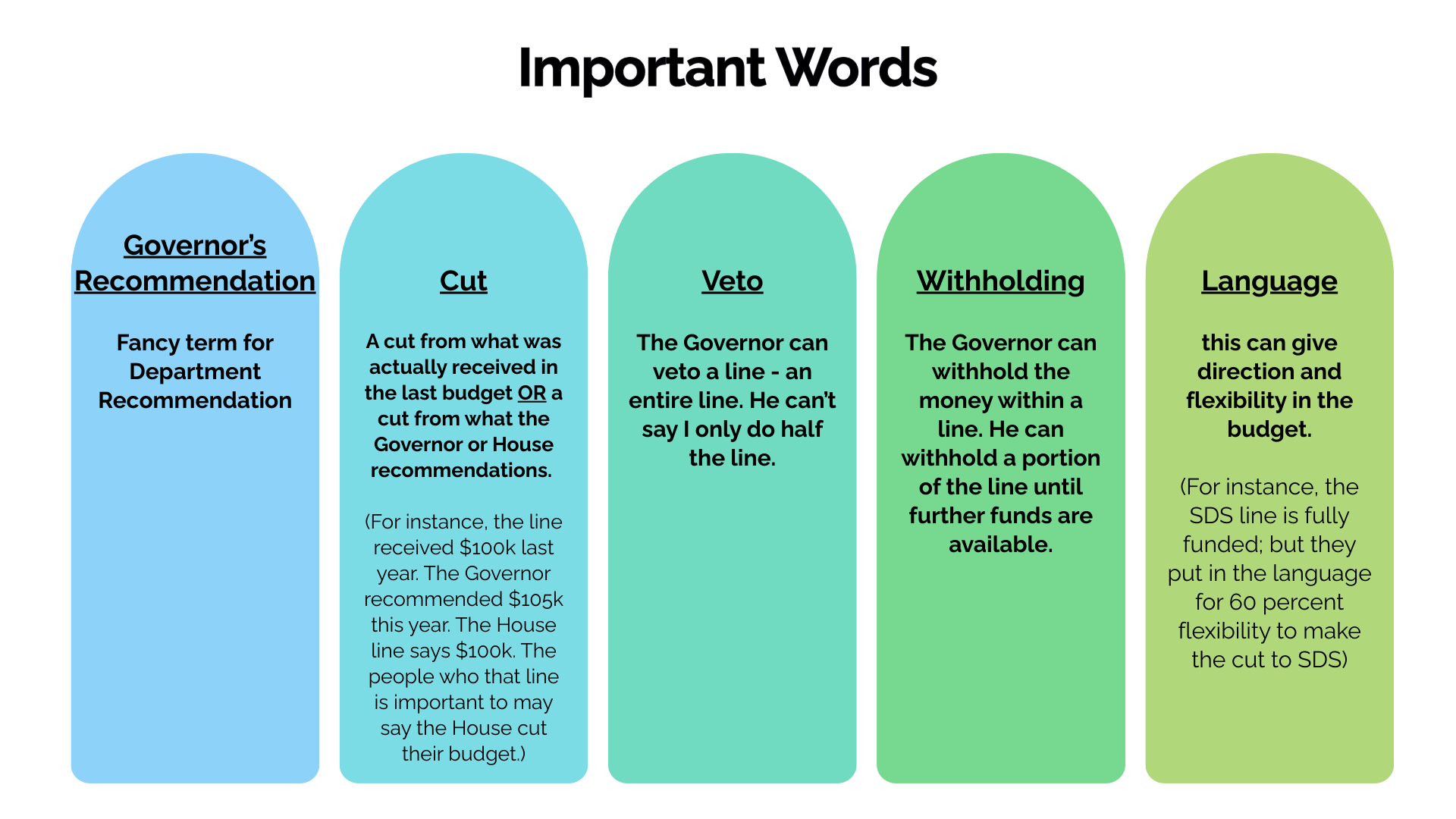
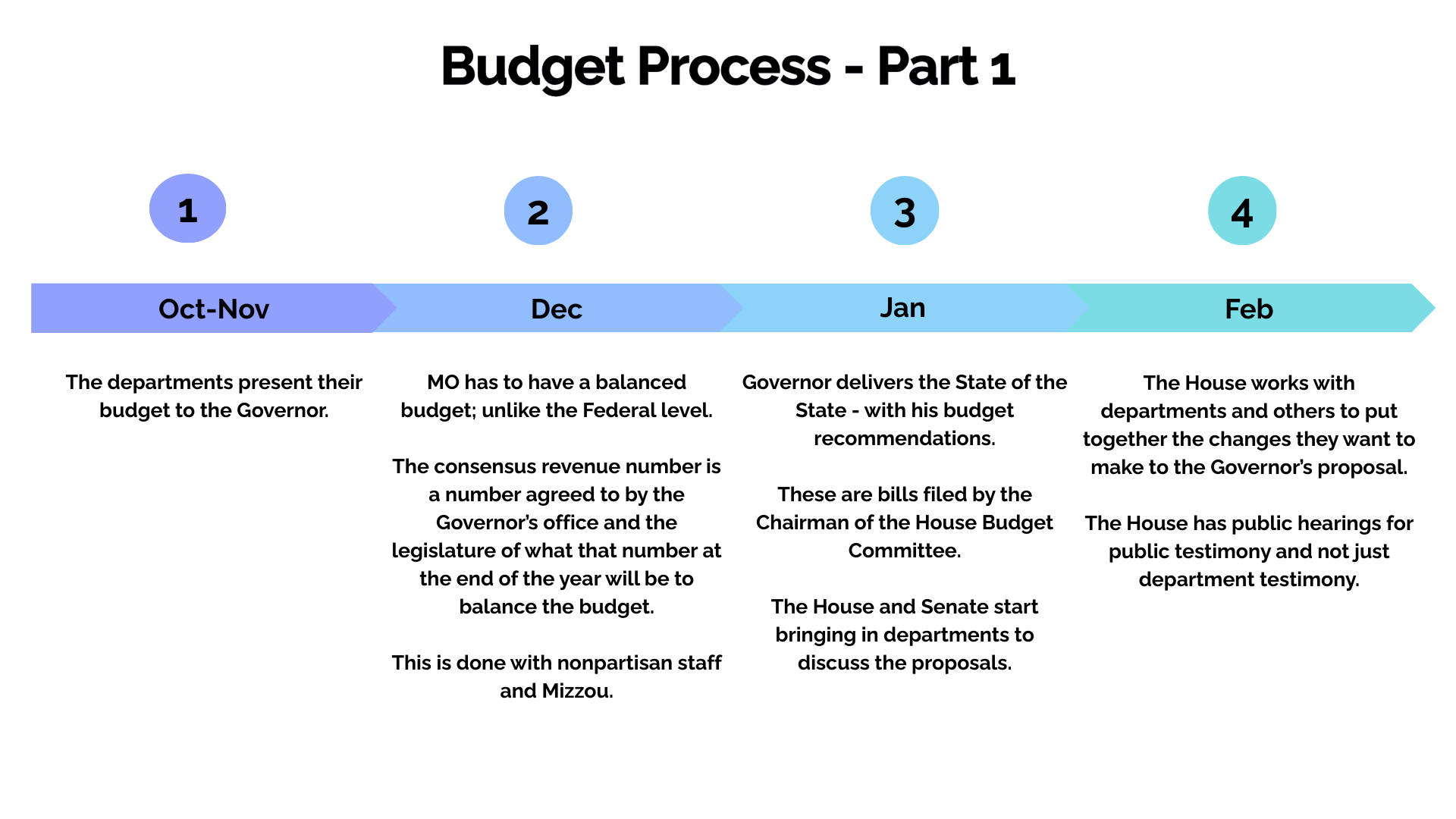
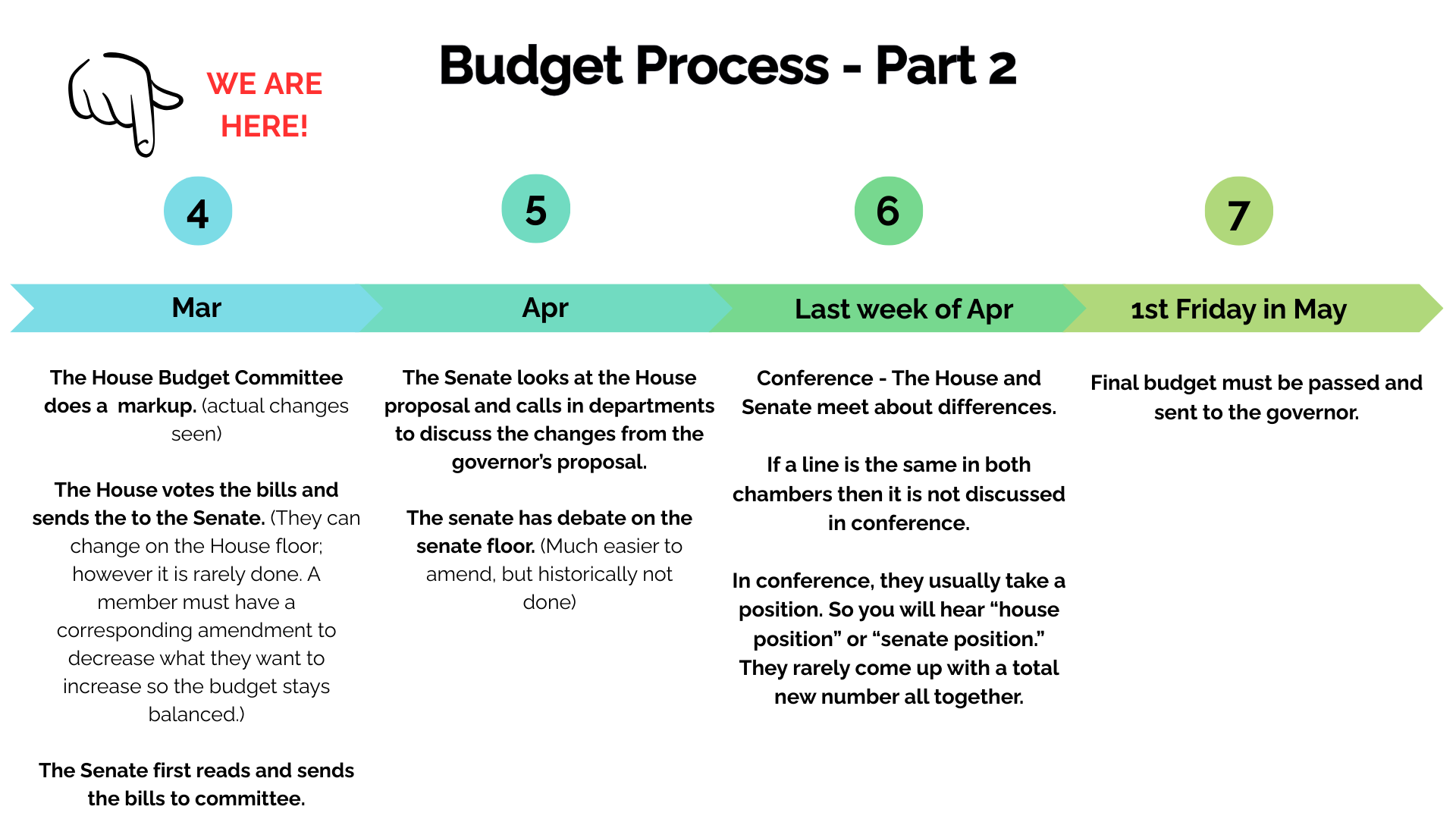
We are Medicaid.
SDS keeps families together at home.
Cuts to SDS are not ethical or fiscally responsible.
Help Others Understand SDS
Personal stories move legislators, media, and the public. Use the examples below, but always add your voice, your story, and your photos when possible.
Choose a tab below to find sample emails, call scripts, and social posts.
The Missouri Senate is now finalizing the state budget.
Before the budget reaches the full Senate floor, it moves through the Senate Appropriations Committee. This committee shapes the final version that all Senators will vote on.
That means two things:
1️⃣ If you live in one of the districts below, your message is especially important right now.
These Senators serve on Appropriations and directly influence funding decisions.
2️⃣ If your Senator is not on this committee, your voice still matters.
All Senators vote on the final budget — and they speak with their colleagues who serve on Appropriations.
Senators Serving on the Senate Appropriations Committee
Senator Rusty Black – District 12
Senator Brad Hudson – District 33
Senator Jason Bean – District 25
Senator Justin Brown – District 18
Senator Mike Cierpiot – District 8
Senator Sandy Crawford – District 28
Senator Travis Fitzwater – District 10
Senator Mike Henderson – District 3
Senator Karla May – District 4
Senator Maggie Nurrenbern – District 17
Senator Barbara Washington – District 9
Senator Brian Williams – District 14
If you live in one of these districts, please contact your Senator as soon as possible.
👉 Feel free to use the sample letters provided in the tabbed section for Appropriations members
The following list is provided to copy and paste if you want to CC all senators on the appropriation committee when sending your message:
[email protected], [email protected], [email protected], [email protected], [email protected], [email protected], [email protected], [email protected], [email protected], [email protected], [email protected], [email protected]
If Your Senator Is Not on Appropriations
Your action still matters.
Every Senator:
Votes on the final budget
Participates in caucus discussions
Communicates with colleagues serving on Appropriations
When you write your Senator, ask them to:
Advocate with their colleagues on the Appropriations Committee to protect funding for Self-Directed Supports before the final vote.
That internal communication within the Senate is part of how decisions are shaped.
Why This Stage Is Critical
The version of the budget that leaves Appropriations often determines what reaches the full Senate.
This is the stage where funding levels can be preserved — or reduced.
Clear, respectful messages from constituents help Senators understand the real-world impact of their decisions.
If you don’t know if your senator is on the appropriations committee, please navigate to the “What’s Next” tab for a full list.
Best practices
Keep it concise.
One page or less is ideal. Focus on one clear request: protect funding for Self-Directed Supports in the final Senate budget.
Identify yourself clearly.
Include:
Your full name
Your city
Your full address (especially if you live in the district)
Legislative offices prioritize messages from constituents.
Make it personal.
Add 2–3 sentences explaining:
How SDS affects your family or your work
What stability means in your situation
What would happen if funding is reduced
Personal stories are far more influential than copied text.
Stay respectful and focused.
Avoid partisan language or policy debates. The goal is to communicate impact, not argue ideology.
Optional:
Attach one photo if you are comfortable. A simple, everyday image can help humanize your message.
Subject lines matter.
Examples
As Your Constituent, Please Protect Self-Directed Supports
Appropriations Member Request: Protect SDS Funding
Protect Cost-Effective Home-Based Care in Missouri
If Your Senator Serves on Appropriations
Members of the Senate Appropriations Committee play a decisive role in shaping the final state budget.
If your Senator serves on this committee, your message carries even greater weight right now. These Senators directly influence whether funding for Self-Directed Supports is protected in the final version of the budget.
Members of the Senate Appropriations Committee shape the final version of the state budget before it reaches the full Senate. If you are contacting one of these Senators, your message should be clear, respectful, and focused on protecting Self-Directed Supports.
Sample Letter A: If You Live in the Senator’s District (Constituent)
Subject: As Your Constituent, Please Protect Self-Directed Supports
Dear Senator [Last Name],
My name is [Name], and I live in [City/District]. As your constituent, I understand that you serve on the Senate Appropriations Committee.
[Insert 2–3 sentences here about your family or your role as a caregiver. How long have you relied on SDS? What does it allow your loved one to do? Why does stable staffing matter in your daily life?]
Because of your role in shaping the final state budget, I respectfully ask that you protect funding for Missouri’s Self-Directed Supports (SDS) program.
SDS allows individuals with developmental disabilities to remain safely at home and in their communities. It is also one of the most cost-effective Medicaid options, with approximately 60% of funding supported federally and significantly lower costs than institutional placement.
If reductions to caregiver wage caps move forward — including the proposed $22.88 maximum — families may lose experienced staff in a workforce that already faces serious shortages. Eliminating supports such as Community Specialist and Individual Goods & Services funding would further destabilize families managing complex needs.
As your constituent, I ask that you use your position on Appropriations to ensure the final Senate budget maintains stable funding for Self-Directed Supports.
Thank you for your leadership and service.
Sincerely,
[Your Name]
[Your Full Address]
[Your Email]
[Your Phone]
If You Do Not Live in the District
Even if you are not a constituent, members of the Senate Appropriations Committee shape the budget for the entire state.
You may respectfully write to acknowledge their role and share the statewide impact of Self-Directed Supports.
Keep your message concise, identify yourself as a Missouri resident, and focus on why stable SDS funding matters across communities.
Sample Letter B: If You Do Not Live in the Senator’s District (Non-Constituent)
Subject: Statewide Request to Protect Self-Directed Supports
Dear Senator [Last Name],
My name is [Name], and I live in [City], Missouri. I understand that you serve on the Senate Appropriations Committee.
Although I am not a constituent in your district, your role on Appropriations directly impacts families across the state.
[Insert 2–3 sentences here explaining your connection to SDS or why this issue matters to you. If you are a family member, briefly describe your loved one. If you are a caregiver, explain your role.]
Self-Directed Supports is one of Missouri’s most cost-effective Medicaid programs, with approximately 60% of funding supported federally. Institutional placements cost significantly more and are more restrictive.
Reductions to caregiver wage caps and elimination of key supports would destabilize families and increase pressure on higher-cost systems.
I respectfully ask that you consider the statewide impact of these decisions and maintain stable funding for Self-Directed Supports in the final Senate budget.
Thank you for your time and service.
Sincerely,
[Your Name]
[Your Full Address]
[Your Email]
[Your Phone]
Call Best Practices
Be polite and calm
Speak clearly
You don’t need policy details
One clear request is enough
Calls are logged and counted
Phone Call Scripts — Senate Appropriations
Best for: Quick, high-impact action
Length: 30–60 seconds
Tip: Speak slowly, clearly, and stay focused on one request.
If You Live in the Senator’s District (Constituent)
Hello, my name is [Name], and I live in [City/District].
I understand Senator [Last Name] serves on the Senate Appropriations Committee. I’m calling to ask that they protect funding for Self-Directed Supports as the final state budget is shaped.
My family relies on SDS to stay safely at home, and reductions to caregiver funding would destabilize our support.
Please maintain stable funding for Self-Directed Supports in the final Senate budget.
Thank you.
Prompt to personalize:
Add one sentence about:
How long you’ve relied on SDS
Your loved one’s age
What stable staffing means to your family
Keep it brief.
If You Do NOT Live in the District
Hello, my name is [Name], and I live in [City], Missouri.
I’m calling because Senator [Last Name] serves on the Senate Appropriations Committee, and the committee is shaping the final state budget.
Self-Directed Supports is one of Missouri’s most cost-effective programs and keeps families together at home.
I respectfully ask that stable funding for SDS be maintained in the final budget.
Thank you for your time.
If Calling Your Own Senator Who Is NOT on Appropriations
Hello, my name is [Name], and I live in [City/District].
As the Senate finalizes the budget, I’m asking Senator [Last Name] to advocate with colleagues on the Appropriations Committee to protect funding for Self-Directed Supports.
My family relies on this program, and stable funding matters.
Thank you.
If You Reach Voicemail
Leave the same message.
Keep it under 45 seconds.
State:
Your name
Your city
Your request
“Please protect Self-Directed Supports in the final Senate budget.”
That’s enough.
Here are some guidelines when sharing with your social media networks:
Do this:
- Focus on protecting SDS funding
Use a photo or short video whenever possible
Tag your Representative and Senator
Speak from your experience, not policy
Keep it respectful and human
Avoid:
Attacking individuals
Threatening language
Complex policy explanations
Best for: Parents, families, community groups, local visibility
Use: Photo of your family / loved one (faces optional)
Sample post:
My family relies on Missouri’s Self-Directed Supports (SDS) program so my loved one can live safely at home.
The Senate Appropriations Committee is now shaping the final state budget. Decisions made at this stage will determine whether families like mine can maintain stable caregiver support.
SDS is one of the most cost-effective Medicaid programs in Missouri, and there is no backup system if staffing becomes unstable.
Please protect funding for Self-Directed Supports in the final Senate budget.
@SenatorName
Prompt to personalize:
Who is your loved one?
What does SDS allow your family to do?
How would staffing instability affect your daily life?
If your Senator serves on Appropriations, mention that role.
Best for: Emotional connection, visibility
Use: Photo carousel or short Reel (15–30 sec)
Caption example:
This is my family.
Self-Directed Supports allow us to stay safely at home.
The Senate is finalizing the state budget right now. Stable funding for SDS means stable care for families like mine.
Please protect Self-Directed Supports.
@SenatorName
Story/Reel prompt:
Show daily life
Keep it 15–30 seconds
Say your name and city
Mention the Senate is finalizing the budget
Speak plainly — avoid acronyms if possible
Example script:
“My name is [Name], and I live in [City]. The Senate Appropriations Committee is shaping the state budget, and my family relies on Self-Directed Supports. Stable funding means we can stay safely at home.”
X / Twitter, Bluesky, Threads
Best for: Legislators, journalists, advocacy visibility
Use: Photo + short text
Sample post:
The Senate Appropriations Committee is shaping Missouri’s final budget right now.
Self-Directed Supports keep families together at home and are one of the state’s most cost-effective Medicaid programs.
Please protect stable funding for SDS.
@SenatorName
Ask Missouri Family & Friends to Speak Up
Why This Matters
Senators don’t just hear from SDS families — they hear from voters.
When Missouri residents contact their Senators to say, “This matters in our community,” it signals that Self-Directed Supports is not a niche issue. It’s a statewide concern.
Your friends and family may not use SDS themselves, but their voices still carry weight — especially if they live in Missouri.
If they live in a Senate Appropriations district, their voice is especially important right now.
Best Practices for Asking Friends & Family
Keep it simple.
Don’t overwhelm them with policy details.
Explain why it matters to you.
A short personal note from you makes them more likely to act.
Make it easy.
Send them the link to the Take Action page and a short script they can use.
Remind them it’s quick.
An email or call takes just a few minutes.
Encourage them to include their address.
Legislators prioritize messages from constituents.
Text Message Script (Fastest Option)
Hey — I wanted to ask a quick favor.
The Missouri Senate is finalizing the state budget right now, and it includes funding for Self-Directed Supports — the program that allows [Name] to stay safely at home.
Would you be willing to contact your Senator and ask them to protect stable funding for SDS? It only takes a few minutes.
Here’s the link:
Thank you — it really means a lot to our family.
Email Script to Friends or Extended Family
Subject: Quick Request to Support Missouri Families
Hi [Name],
I’m reaching out because the Missouri Senate is finalizing the state budget, and it includes funding for Self-Directed Supports — the program that allows [Name] to stay safely at home.
Stable funding is critical for maintaining caregiver staffing and keeping families together.
If you live in Missouri, would you be willing to contact your Senator and ask them to protect funding for SDS in the final budget?
It only takes a few minutes. Here’s the link to find your Senator:
Thank you for supporting our family.
Social Media Script (For Friends to Share)
Missouri families rely on Self-Directed Supports to keep loved ones safely at home.
As the Senate finalizes the state budget, stable funding for SDS matters.
If you live in Missouri, please consider contacting your Senator to protect this program.
Phone Script for Friends & Family
Hello, my name is [Name], and I live in [City].
I’m calling because the Senate is finalizing the state budget, and I support maintaining stable funding for Self-Directed Supports.
This program keeps Missouri families together and is one of the state’s most cost-effective Medicaid options.
Please protect SDS funding in the final budget.
Thank you.
How to Personalize
Encourage friends to add one sentence like:
“My friend/family member relies on this program to stay safely at home.”
or
“I believe Missouri should support stable, cost-effective home-based care.”
Reaching Out to Faith & Community Groups
You do not need to be a policy expert to speak with your faith or community group. A short, sincere explanation of why this matters to your family is enough.
Most leaders appreciate being informed about issues affecting members of their community.
Keep it simple. Lead with values. Focus on dignity and stability.
Why Faith & Community Voices Matter
Self-Directed Supports is not just a policy issue — it’s about dignity, stability, and caring for vulnerable members of our communities.
Faith communities, civic organizations, service clubs, and neighborhood groups often share core values around:
Caring for families
Supporting people with disabilities
Strengthening local communities
Using public resources responsibly
When leaders or members of these groups respectfully contact their Senators, it signals that this issue reaches beyond individual families — it reflects community values.
How to Approach a Faith or Community Group
You don’t need to give a policy presentation.
You simply need to:
Share your story briefly
Explain why the Senate stage matters
Make a clear, simple request
Keep it focused on:
Stability
Care
Keeping people safely at home
Responsible stewardship of resources
Avoid:
Partisan framing
Criticism of individuals
Political arguments
Best Practices When Reaching Out
Keep it personal.
Share how SDS impacts your family or someone you know.
Keep it values-based.
Focus on dignity, community, and care.
Make a specific ask.
Ask members to contact their Senator and request stable funding for Self-Directed Supports.
Make it easy.
Provide the Take Action link and a short script they can use.
Be respectful of leadership structure.
Some groups may want to:
Share information in a bulletin
Send an email to members
Allow a short announcement
Encourage individual outreach
Email Script to a Faith or Community Leader
Subject: Request to Share Information with Our Community
Dear [Leader’s Name],
I am reaching out as a member of this community because the Missouri Senate is finalizing the state budget, and it includes funding for Self-Directed Supports — the program that allows my loved one to remain safely at home.
This program supports families caring for individuals with developmental disabilities and is one of the most cost-effective Medicaid options in Missouri.
I am not asking for a political endorsement. I simply hope our community might consider sharing information about this issue and encouraging members who live in Missouri to contact their Senator about protecting stable funding for SDS.
This is about dignity, stability, and keeping families together.
I would be grateful for any way you feel comfortable sharing this information.
Thank you for your time and leadership.
Sincerely,
[Name]
Short Announcement Script (For a Group Meeting)
“I’d like to briefly share that the Missouri Senate is finalizing the state budget, and it includes funding for Self-Directed Supports — a program that helps families care for loved ones with disabilities at home.
If you live in Missouri, you can contact your Senator and ask them to protect stable funding for this program. It only takes a few minutes.
I’m happy to share a link with anyone interested.”
Bulletin or Newsletter Blurb
Missouri families rely on Self-Directed Supports to care for loved ones with disabilities at home.
As the Senate finalizes the state budget, members who live in Missouri may contact their Senator to express support for maintaining stable funding for this cost-effective, community-based program.
Learn more or take action here:
👉 https://mosds.org/how-to-help
Social Media Post for Faith or Community Groups
Caring for vulnerable members of our community is a shared responsibility.
As the Missouri Senate finalizes the state budget, stable funding for Self-Directed Supports helps families care for loved ones at home.
Missouri residents can contact their Senator to express support for this important program.
👉 https://mosds.org/how-to-help
Why Your Voice Matters
Legislators often hear from families, but they rarely hear directly from the Direct Support Professionals and caregivers who provide daily care.
As a caregiver or DSP, you can speak to:
Workforce stability
Real-world staffing challenges
The impact of wage caps
Continuity of care
Quality and safety
Members of the Senate Appropriations Committee are shaping the final state budget. Your experience helps them understand how funding decisions affect the people who provide care — not just those who receive it.
How Caregivers Can Engage
You do not need to be political.
You can simply:
Share your professional experience
Explain how wage stability affects retention
Express why continuity of care matters
Keep it focused on:
Workforce sustainability
Quality of care
Stability for individuals
Respect for professional caregiving
Avoid:
Criticizing specific individuals
Partisan framing
Emotional escalation
Professional tone carries weight.
Best Practices for Caregiver Outreach
Keep it professional and concise.
One page or less.
Identify your role.
State that you are a Direct Support Professional or caregiver in Missouri.
Share real experience.
Mention:
How long you’ve worked in this role
What stable wages mean for retention
Why continuity matters for the individuals you support
Be clear about your request.
Ask for stable funding for Self-Directed Supports in the final Senate budget.
If you are comfortable, include your city.
If you live in the Senator’s district, include your full address.
Email Script — If You Live in the Senator’s District
Subject: Direct Support Professional Asking for Stable SDS Funding
Dear Senator [Last Name],
My name is [Name], and I live in [City/District]. I work as a Direct Support Professional/caregiver providing services through Missouri’s Self-Directed Supports (SDS) program.
I am writing because the Senate Appropriations Committee is shaping the final state budget, and these decisions directly affect workforce stability.
[Insert 2–3 sentences here about your experience. How long have you worked as a DSP? What does continuity of care mean for the person you support? What happens when staff turnover increases?]
Stable funding for SDS supports consistent staffing and quality care. Reductions to wage caps would make long-term retention more difficult in a field that already struggles with workforce shortages.
I respectfully ask that you maintain stable funding for Self-Directed Supports in the final Senate budget.
Thank you for your service.
Sincerely,
[Name]
[Full Address if constituent]
Email Script — If You Do Not Live in the District
Subject: Missouri DSP Requesting Stable SDS Funding
Dear Senator [Last Name],
My name is [Name], and I work as a Direct Support Professional/caregiver in Missouri through the Self-Directed Supports (SDS) program.
I understand you serve on the Senate Appropriations Committee, and I am writing because your decisions impact the workforce across the state.
[Insert 2–3 sentences about your professional experience and why stable funding matters for retention and quality care.]
SDS is a cost-effective program that allows individuals to remain safely in their homes. Stable wages and workforce support are essential to maintaining continuity of care.
I respectfully ask that you protect funding for Self-Directed Supports in the final Senate budget.
Thank you for your consideration.
Sincerely,
[Name]
[City]
Phone Script for Caregivers
Hello, my name is [Name], and I am a Direct Support Professional in [City].
I’m calling because the Senate Appropriations Committee is finalizing the state budget, and workforce stability depends on maintaining funding for Self-Directed Supports.
Stable wages help retain experienced caregivers and ensure continuity of care for individuals with disabilities.
I respectfully ask that funding for SDS be protected in the final Senate budget.
Thank you.
Thank Your Representative for Supporting SDS
The House protected key funding for Self-Directed Supports. A short thank-you message helps recognize that action and strengthens ongoing support.
Why Thanking Matters
Legislators often hear criticism more than appreciation.
When Representatives take steps to protect important programs like Self-Directed Supports, a brief thank-you message reinforces that those decisions matter to families and communities.
Gratitude strengthens relationships and encourages continued leadership.
If you’d like, consider copying the following members of the Senate Appropriations Committee on your thank-you email so they can see the appreciation for protecting Self-Directed Supports:
If the Representative Is Yours (Constituent Thank You)
Subject: Thank You for Protecting Self-Directed Supports
Dear Representative [Last Name],
My name is [Name], and I live in [City/District].
I want to sincerely thank you for your role in removing significant cuts to Missouri’s Self-Directed Supports (SDS) program during the House budget process.
For families like mine, stable funding for SDS means stability, continuity of care, and the ability to keep our loved ones safely at home. Your action made a real difference.
I appreciate your leadership and your willingness to protect cost-effective, home-based services that support Missouri families.
Thank you for your service and consideration of this important issue.
Sincerely,
[Name]
[Full Address]
[Email]
[Phone]
Optional personalization prompt:
Add 1–2 sentences about what this decision means to your family.
Example:
“This action gives our family breathing room and stability as we plan for the year ahead.”
Thank You (Non-Constituent or Broader Outreach)
Subject: Thank You for Protecting SDS Funding in the House
Dear Representative [Last Name],
I am writing to thank you for your support in removing significant cuts to Missouri’s Self-Directed Supports (SDS) program during the House budget process.
Self-Directed Supports is one of the most cost-effective Medicaid options in our state and allows individuals with disabilities to remain safely at home. The House’s action provided stability to families and caregivers across Missouri.
Thank you for your leadership and for recognizing the importance of protecting this program.
Sincerely,
[Name]
[City]
[Email]
[Phone]
Optional Short Phone Thank You Script
Hello, my name is [Name], and I live in [City].
I’m calling to thank Representative [Last Name] for helping remove cuts to Self-Directed Supports during the House budget process. This decision means a great deal to Missouri families.
Please pass along my appreciation.
Thank you.
Optional Social Post
Thank you to the Missouri House members who helped remove significant cuts to Self-Directed Supports.
Stable funding protects families and supports cost-effective home-based care.
We appreciate your leadership.
Every call, email, post, and message helps!
A Few Simple Tips That Help Your Message Land
You don’t need professional photos, perfect words, or a big platform. Simple, honest messages are often the most effective.
Photos & Video (Optional, but Powerful)
Real life works best – everyday moments are enough
A single photo is more than enough
Short videos (15–30 seconds) are great, but not required
Faces are powerful, but always optional
Never share anything you’re not comfortable sharing
A photo helps people remember that this is about real families.
Use Your Own Voice
Speak from your experience, not policy
You don’t have to explain SDS perfectly
It’s okay to say “this matters to my family” and stop there
Personal stories move hearts more than facts alone.
Keep It Focused
One main message is enough
You don’t need to cover everything
Avoid long explanations or debates
Good focus examples:
Keeping families together at home
Losing caregivers due to wage cuts
No backup system if SDS is reduced
Stay Respectful
Assume people don’t know about SDS
Avoid blaming or attacking individuals
Calm, respectful messages go further and last longer
We are building understanding, not winning arguments.
Repetition Is Okay
Many people need to hear this more than once
Sharing again later is helpful, not annoying
Lawmakers expect repeated contact on important issues
One Last Step That Matters
After you call, email, post, or message:
Log your action at mosds.org/take-action
Logging actions helps show momentum and protects SDS statewide.